
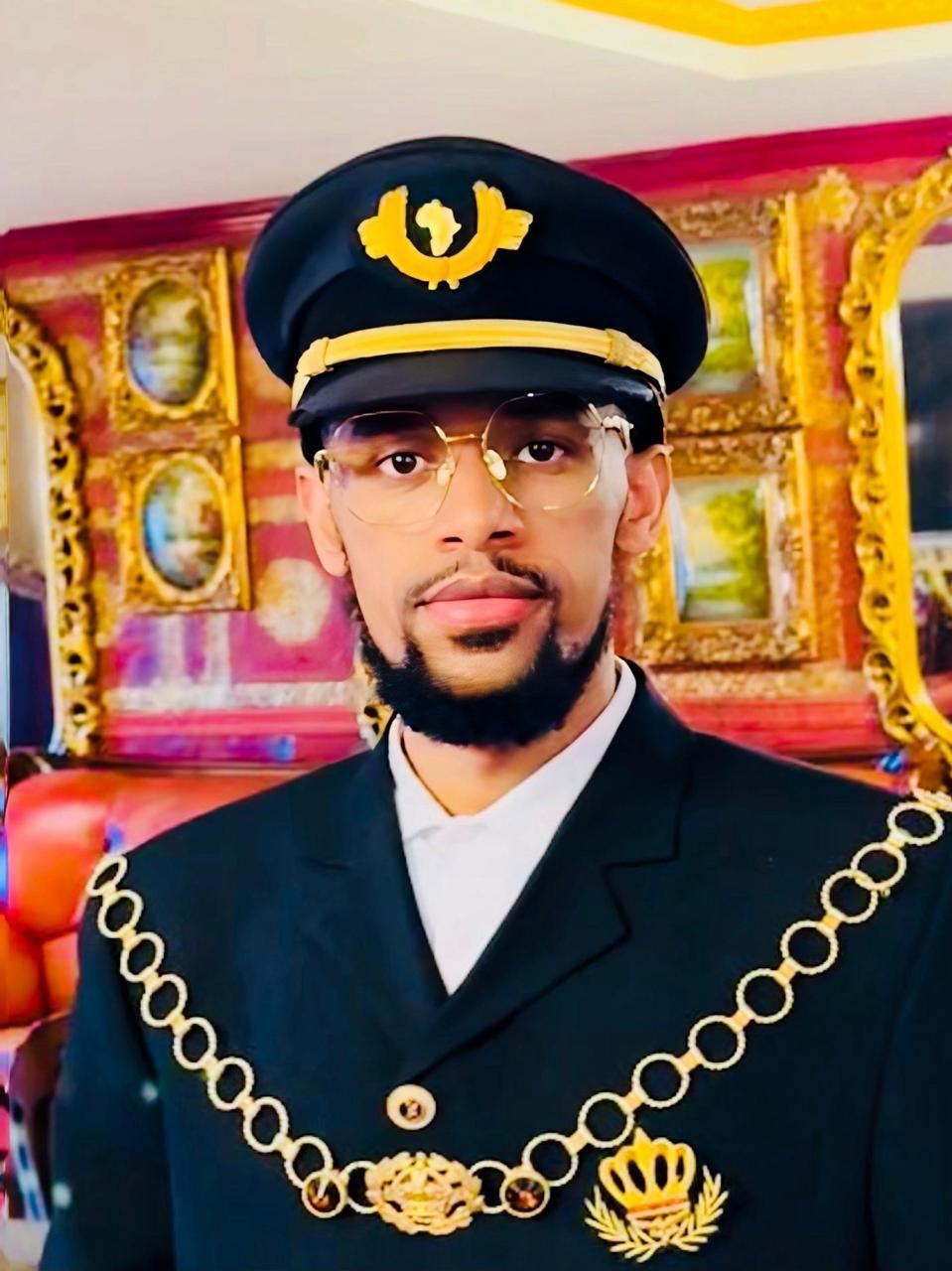

e publications with appropriate credit.‘No African Is Foreign in Africa’: Prince Estifanos Condemns Xenophobia onAfrica Day as Migration Tensions Test Continental UnityAs Africa commemorates Africa Day, a growing debate over migration, economic inequality, and continental unity hastaken centre stage, with Prince Estifanos Matewos, President of the United Africa Royal Assembly and Ambassadorof the Pan-African Parliament to African Union Member States, issuing a strong call for African solidarity and arejection of Afrophobia and xenophobia.In his Africa Day message, Prince Matewos warned that Africa’s future cannot be secured through division, exclusion,or narrow nationalism, but through a renewed commitment to Pan-African ideals, shared prosperity, and collectiveresponsibility. His remarks come at a time when several African countries are grappling with heightenedanti-immigration sentiment, economic pressures, and periodic attacks targeting both documented and undocumentedmigrants. Across parts of Southern Africa, concerns over unemployment, crime, and strained public services haveincreasingly been directed at foreign nationals, creating tensions that threaten decades of progress towards Africanintegration. Against this backdrop, Prince Matewos declared that “No African is foreign in Africa” and urgedgovernments and communities alike to reject all forms of Afrophobia, xenophobia, and exclusion.The statement reflects wider continental concerns surrounding the implementation of the African Continental FreeTrade Area (AfCFTA), labour mobility, and the long-standing Pan-African vision of free movement across thecontinent. While Africa continues to pursue deeper economic integration, migration remains a politically sensitiveissue in many states. Analysts note that economic hardship, youth unemployment, irregular migration, and increasingcompetition for opportunities have fuelled public frustration in some urban centres, occasionally resulting in violenceagainst migrant communities. Prince Matewos argued that Africa’s borders should serve as instruments ofcooperation rather than barriers to unity, emphasising that the continent’s shared history, culture, and aspirationsoutweigh forces seeking to fragment African societies.Beyond migration, the royal leader also framed economic sovereignty as the next phase of Africa’s liberation struggle.He asserted that political independence remains incomplete while African nations continue exporting raw materialsand importing finished goods, perpetuating economic dependency. Calling for industrialisation, stronger intra-Africantrade, resilient value chains, and greater local beneficiation of resources, he pointed to Agenda 2063 and the AfCFTAas critical vehicles for achieving a prosperous and globally competitive Africa. Traditional institutions, kingdoms,chiefdoms, and royal houses, he said, retain an important role in preserving social cohesion, indigenous knowledge,and community governance while supporting economic transformation.His message also arrives at a pivotal moment in African affairs. The continent faces a complex mix of opportunitiesand challenges, including efforts to accelerate economic integration, persistent security concerns in parts of the Saheland Horn of Africa, climate-related pressures on communities, and increasing geopolitical competition among globalpowers seeking influence in Africa’s strategic sectors. At the same time, African leaders continue to advocate forgreater representation in global institutions and stronger continental solutions to shared challenges.Concluding his message, Prince Matewos reiterated that Africa’s destiny depends on unity rather than division. Hewarned that fragmentation weakens the continent’s voice and potential, while solidarity strengthens Africa’s ability toshape its future and secure prosperity for future generations. His appeal echoes a growing sentiment amongPan-Africanists that, in an era marked by rising nationalism and migration disputes, the founding principles of Africanunity remain as relevant today as they were at the birth of the continental movement.”Divided, we diminish our potential. United, we shape our destiny,” Prince Matewos stated, encapsulating a messagethat resonates far beyond the annual Africa Day celebrations and into the pressing debates currently shaping thecontinent’s future.

التعليقات مغلقة.